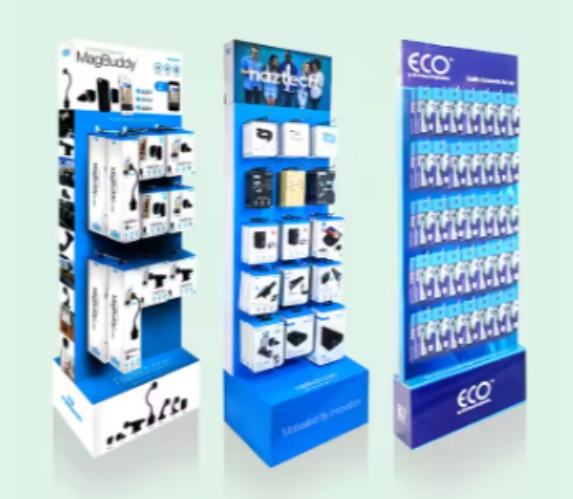
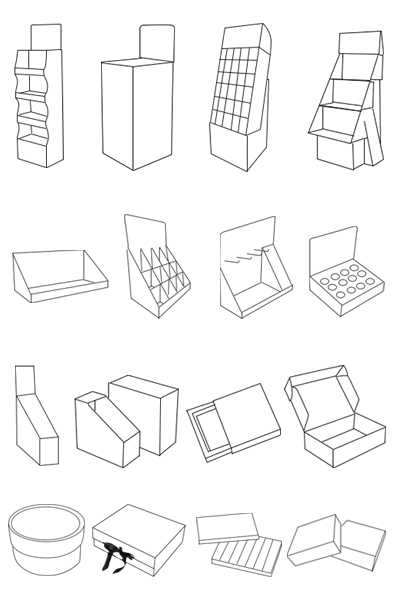
This guide dives deep into the world of retail shelving, specifically focusing on the high-impact "end cap" placements. We explore why brands are shifting from permanent metal fixtures to flexible cardboard solutions, how to design for maximum structural integrity and visual appeal, and the real math behind the return on investment. Whether you are a retail veteran or a new brand manager, you will learn how to turn the end of an aisle into the beginning of a sale.
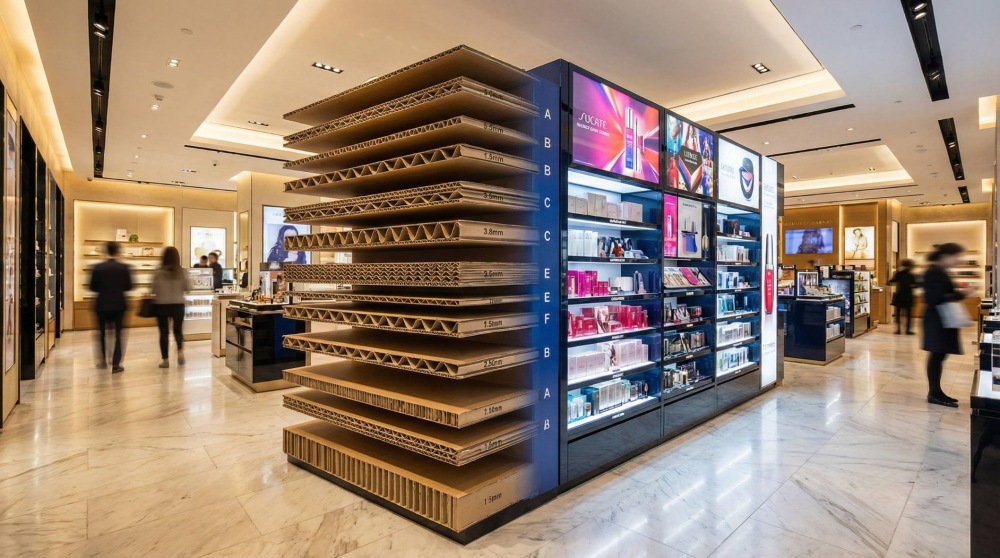
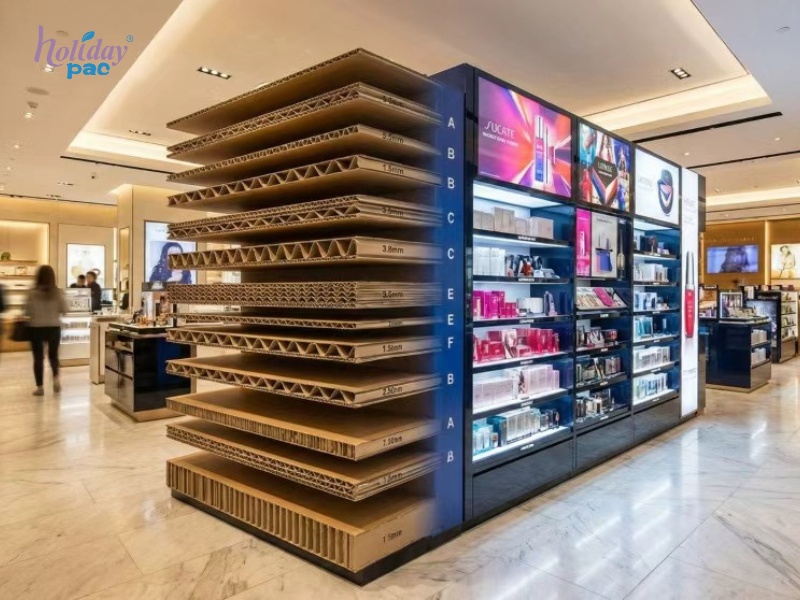
Custom Cardboard POP Displays are replacing traditional fixed shelving because they offer retailers lower costs, greater flexibility, stronger visual impact, eco-friendly materials, easier logistics, and the ability to integrate interactive technology—making them a more agile and engaging solution for modern retail environments.
Custom Gravity Feed Cardboard Displays use angled shelves or roller tracks to let products automatically slide forward, improving visibility, accessibility, and overall shopping experience. Common in grocery, convenience, and specialty retail, these displays keep items front-facing at all times, boosting impulse purchases and maximizing shelf efficiency. Types include slanted boxes, countertop units, floor-standing displays, refrigerated shelves, and fully customized stands.
This article highlights why Christmas cardboard display stands are essential for holiday retail in 2025. Cardboard displays offer flexible design, strong visual impact, and sustainable materials that align with growing consumer expectations. It outlines key display types—from floor stands to countertop units and thematic designs—and explains the importance of reliability, brand alignment, visual appeal, and seasonal relevance. The piece also notes rising trends like interactive elements, digital features, and eco-friendly materials. Overall, well-designed cardboard displays help brands boost visibility, drive impulse buying, and build trust during the busiest shopping season.
Hunan University of Science and Technology’s School of Foreign Languages has launched a major collaboration with the Shenzhen Cross-Border E-commerce Association to strengthen its business English program. Together, they established the School-Enterprise Cooperation Employment Training Base, designed to connect academic learning with practical industry experience.
Links